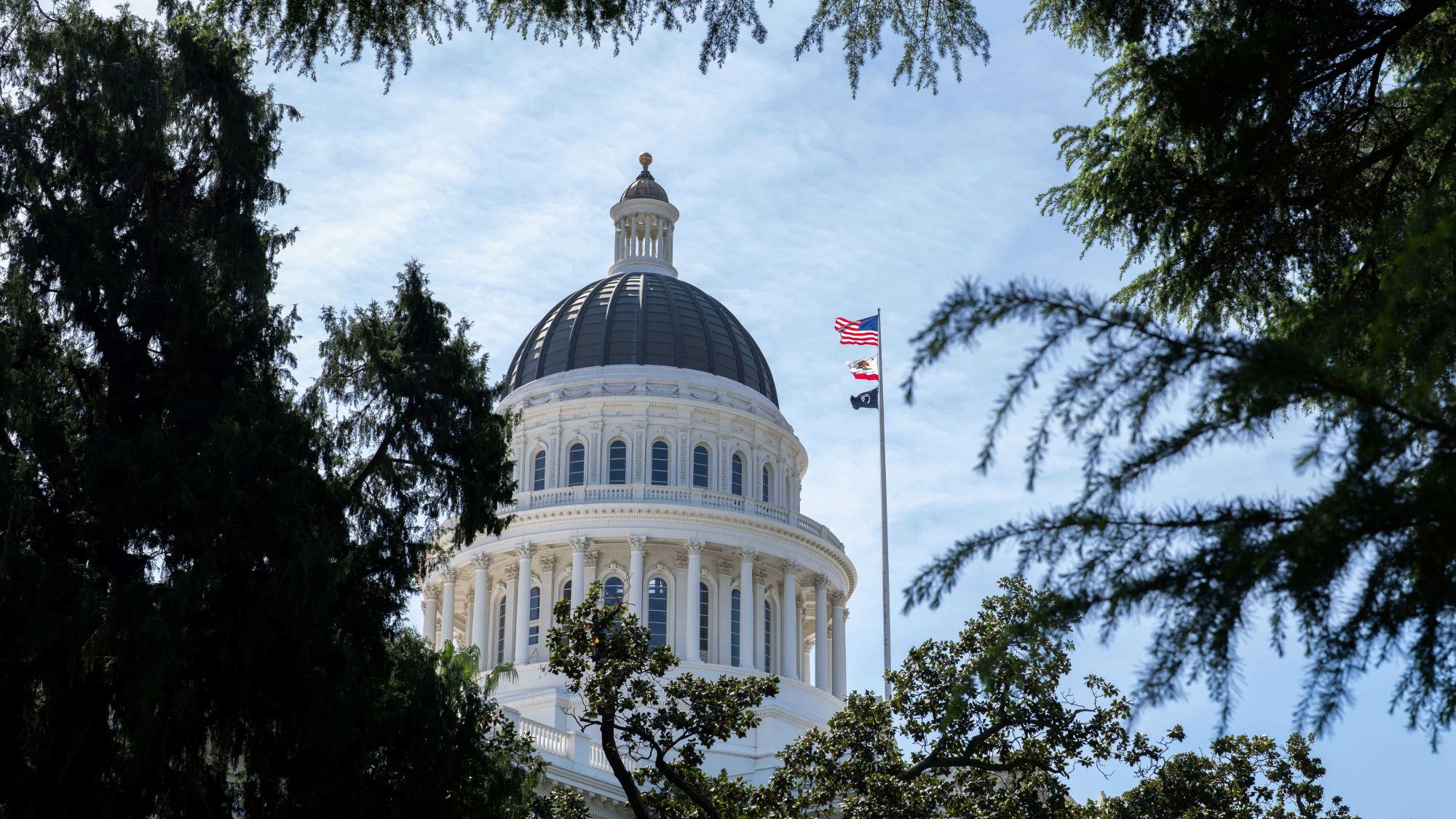
California State Capitol Building located in Sacramento
Training the next generation of environmental leaders

The Master of Science in Environmental Policy and Management

affiliated with the UC Davis Institute of the Environment, provides advanced training in applying environmental science to real-world environmental policy and management issues. The program leverages the position of UC Davis as among the world’s strongest campuses in environmental and natural resources research and science.

The EPM program sets itself apart by targeting students with interdisciplinary backgrounds who seek applied professional careers in environmental policy and management. The focus is on building quantitative skills for practice-oriented careers in environmental policy and management.

About us

The EPM program is designed to address needs in several areas:

  • Students and employers often ask for better and more formal preparation to bridge the differences between scientific academic background and policy and management work, with emphasis on communicating technical information in various management and policy contexts.
  • Increased attention is being placed on the co-development of science for policy and management. Doing so requires training individuals with the interdisciplinary skills to understand both communities.
  • Environmental problem solving increasingly requires more analytical capability within a political and economic decision-making framework.
  • Real and rigorous problem-solving skills involving analysis, communication, and negotiation are needed for students with scientific backgrounds involved in policy-making and management positions.


Download our brochure

EPM News

Employee Spotlight - Marcella Hernandez

Marcella Hernandez is an upcoming second-year EPM student who has been working as the EPM outreach and administration student assistant. Marcella specializes in Sustainable Agriculture and Environmental Justice, with a pending addition in Environmental Data Science, and strives to be a well-rounded professional. She grew up in California's Central Valley, where she began her academic journey at Bakersfield College, earning an Associate of Science in Agricultural Business and Liberal Arts, before moving on to UC Davis, where she completed a Bachelor of Science in Agricultural and Environmental Education with a focus on Plant and Soil Sciences. With a deep, multifaceted background in education and agriculture, Marcella is looking to pivot her career, using her growing policy expertise to directly combat the severe environmental burdens, such as poor air and water quality and food deserts, faced by many communities in the Central Valley. Currently working to expand these skills through a powerhouse summer workload. This includes serving as a Graduate Student Researcher, collaborating with Clean Water Action and the Dolores Huerta Foundation on water allocation governance; acting as a Zero Waste Coordinator for the UC Davis Sustainability Office; and championing student engagement as the Grassroots Advocacy Coordinator for the Campus Center for the Environment. Her knack for creative outreach shines through her past role as the Social Media and Outreach Coordinator for the Association of Environmental Professionals at UC Davis, and she is excited to bring that energy to EPM!

Cultivating Community: Introducing the UC Davis EPM Alumni Association

Discover the newly launched UC Davis EPM Alumni Association! Built to keep our community connected, this network offers students and alumni dedicated spaces for mentorship, professional development, and collaborative career growth. Meet the founding team and learn how you can get involved.

Making Waves in San Diego: Students' Trip to CalCOFI Conference

Towards the end of May, our UC Davis Environmental Policy and Management policy clinic group, in collaboration with California Cooperative Oceanic Fisheries Investigation (CalCOFI) and California Sea Grant, traveled to San Diego, CA. We headed to the 2026 CalCOFI Conference on ‘A Decade of Remarkable Change: Heatwaves, HABs, Hypoxia, and Other Ocean Changes off the California Coast.’ This trip allowed us to share the culmination of our research on practical recommendations for marine climate resilience and refugia in California. We heard and discussed the intense impacts of climate change on California’s marine ecosystems, showcasing the need for policy and management action. We engaged with researchers working towards goals aligned with our recommendations, further inspiring us to continue protecting California’s waters.